

Hair care can feel oddly personal. You follow the rules, buy the products, watch the tutorials, and still, your hair does whatever it wants. One day it’s soft and shiny. The next day, it’s dry, frizzy, and uncooperative. Here’s the thing most people miss. It’s not just about curl type or thickness. Hair porosity plays a quiet but powerful role in how your hair absorbs moisture, holds onto it, and reacts to everything you put on it. In this guide, we’ll talk about what porosity really means, how to spot the signs, and how small changes in care can finally make your routine click.
Before talking about products or routines, it helps to understand the foundation. Hair porosity explains why two people can use the same shampoo and get completely different results.
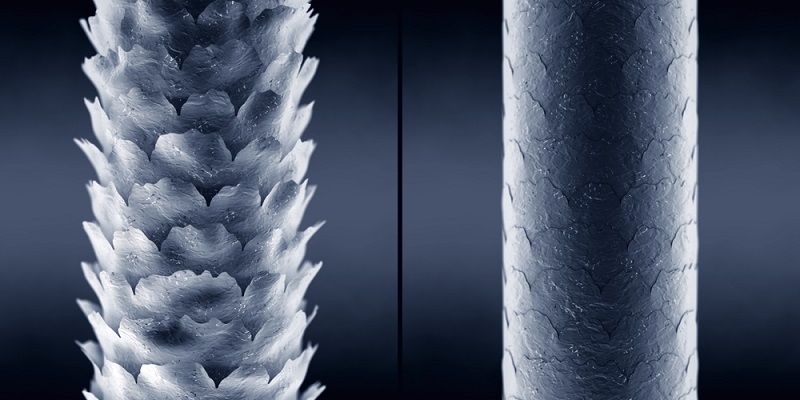
So, what is hair porosity? In simple terms, it describes how open or closed your hair cuticle is. Think of your hair strand like a roof made of tiny overlapping shingles. When those shingles sit flat, moisture moves slowly. When they’re lifted or damaged, moisture rushes in and slips right back out.
There are generally three categories: low, medium, and high. Each behaves differently, and none are good or bad. They’re just different. Problems show up when care doesn’t match porosity.
Once you understand hair porosity, things start to make sense why heavy conditioners sit on your hair. Why do oils disappear instantly? Why does your hair feel dry even after a deep mask?
Porosity affects how often you need moisture, how much protein your hair can handle, and even how long your color lasts. It’s like knowing whether your skin is oily or dry. You wouldn’t treat both the same, right?
Read More: Hair Care Routine That Restores Strength and Shine Naturally
Let me explain what’s happening at a microscopic level, without turning this into a science lecture.
Healthy cuticles lie close together. They protect the inner structure of the hair and slow down moisture movement. When cuticles lift or chip away, hair becomes more porous.
Heat styling, chemical treatments, and rough handling can lift those cuticles over time. Even daily habits like aggressive brushing or skipping heat protectant can add up. It’s not dramatic in the moment, but hair remembers.
Here’s a mild contradiction that matters. Some people are born with higher porosity hair. Others create it slowly. Genetics set the baseline, but habits decide how far things go.
Color-treated hair almost always becomes more porous. So does hair exposed to sun, saltwater, or chlorine. Living in dry states like Arizona or windy coastal areas can also play a role. The environment isn’t just background noise. It’s part of the routine.
Hair doesn’t talk, but it does complain. You just have to know how to listen.
High porosity hair tends to act dramatically. Water soaks in fast. Products disappear. Frizz shows up uninvited.
Common signs of high porosity hair include dryness that comes back quickly, tangling easily, and hair that feels rough no matter how much conditioner you use. Hair color may fade faster than expected. Breakage can sneak in even when you’re being careful.
You might also notice your hair dries unusually fast. Sounds convenient, but it often means moisture isn’t staying put.
Low porosity hair resists moisture at first. Water beads on the surface. Products sit there, almost stubbornly. It often needs warmth to open the cuticle.
Medium porosity hair is the easygoing one. It absorbs moisture steadily and holds styles well. If your routine mostly works already, chances are you’re somewhere in the middle.
Knowing where you land helps you stop blaming your hair and start working with it.
Don't Miss: How to Use Dry Shampoo for Fresh Hair Anytime Anywhere
This is where relief usually kicks in. High porosity hair doesn’t need more products. It needs smarter layering and gentle habits.
When learning how to treat high porosity hair, think seal and protect. Moisture is step one. Locking it in is step two.
Start with a hydrating cleanser that doesn’t strip. Follow with a conditioner that feels slightly richer, not heavy. Leave-in products help, especially when applied to damp hair.
Sealing matters. Oils like argan or jojoba can help slow moisture loss. Creams with butters work well, too. Protein treatments can help patch weak spots, but go easy.
You don’t need a twelve-step routine. A few thoughtful choices go a long way.
Look for ingredients like aloe, glycerin, ceramides, and shea butter. Brands like SheaMoisture, Briogeo, and Olaplex often work well for porous hair, depending on texture and damage level.
Heat protection isn’t optional. It’s maintenance. Even occasional heat needs a barrier, especially for hair that already loses moisture quickly.
Daily handling can quietly undo good care. High porosity hair benefits from low-friction habits that reduce stress on already vulnerable cuticles.
Detangle only when hair is damp, use wide-tooth combs or fingers, and avoid rough towel drying.
Hair care doesn’t happen in a vacuum. Your schedule, climate, and habits matter more than most routines admit.
Winter air in many parts of the US pulls moisture straight out of hair. Summer humidity does the opposite. High porosity hair reacts fast to both.
In colder months, richer leave-ins and protective styles help. In summer, lighter layers and frizz control become more important. You know what? Adjusting seasonally is normal. Hair isn’t static.
Current trends love sleek blowouts and polished waves. They look great, but repeated heat adds up. High porosity hair benefits from heat-free styles mixed into the week.
Braids, buns, and twist-outs give hair a break. Satin pillowcases and scrunchies seem small, but they reduce friction overnight. It’s not glamorous. It works.
Also Read: Understanding Scalp Massage Benefits for Healthy Hair Growth
Hair porosity explains why routines fail or succeed quietly. Once you understand how your hair absorbs and holds moisture, care stops feeling random. Hair porosity isn’t about fixing something broken. It’s about paying attention and responding with intention. When care matches porosity, hair feels calmer. Softer. More predictable. And honestly, that peace of mind counts too.
Hair porosity describes how your hair absorbs and retains moisture. It matters because it determines how products behave on your hair.
Yes, it can. Heat, coloring, weather exposure, and aging can increase porosity gradually.
Not always. Some signs show up slowly, like fading color or dryness that returns quickly.
Consistent gentle care works best. Focus on moisture and sealing at every wash rather than intense treatments too often.
This content was created by AI