

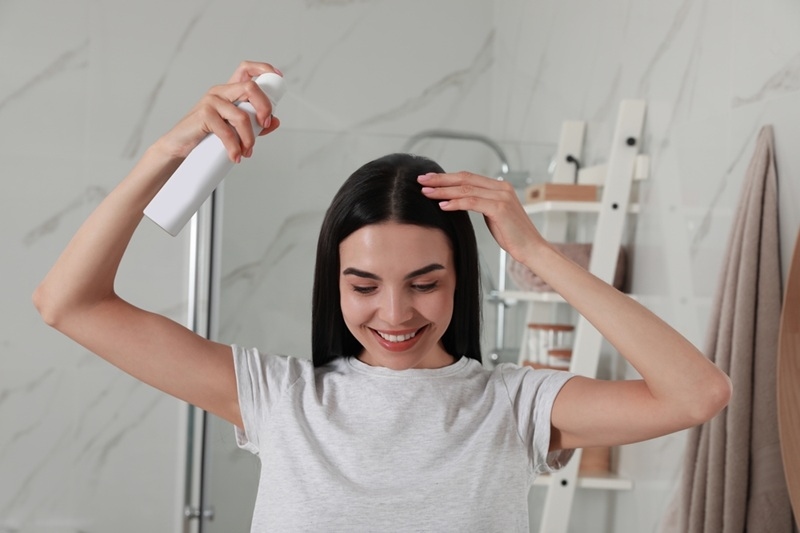
Are you curious about how to apply Dry Shampoo without ruining your hair or leaving white residue? If so, you’re not the only one! Dry Shampoo has become one of those essentials we all need to have on hand, whether to quickly freshen an oily scalp in the morning or for a refresher after working out. But what exactly is Dry Shampoo? How is Dry Shampoo supposed to work? When should I use dry shampoo instead of washing my hair with Traditional Shampoo?
Knowing how to apply dry shampoo properly will change your entire hair routine! If you use Dry Shampoo correctly, it will absorb excess oil, add body and volume to your hair, and allow you to maintain your existing hairstyle without needing to wash and rinse out the styling products you had previously used. If you use Dry Shampoo too often or apply it incorrectly, it can weigh your hair down and clog your scalp. This guide will provide all the information you need to achieve great results when using any Dry Shampoo, from understanding the different kinds of dry shampoo to understanding how Dry Shampoo works in comparison to traditional shampoos.
To achieve the best results with dry shampoo, it's essential to know the proper application technique. If you apply dry shampoo incorrectly, you'll end up with chalky residue instead of clean, fresh-looking hair. Although dry shampoo is not meant to replace shampooing with water, it is a highly effective tool for styling/maintaining your hairstyle when applied correctly.
1. Start with dry hair
Ensure your hair is dehydrated before applying any dry shampoo. The application of dry shampoo on slightly wet (or damp) hair will not work as effectively.
2. Section your hair
Part your hair into smaller sections so that you can easily apply the dry shampoo evenly on your scalp.
3. Apply at the roots only
Spray or sprinkle the dry shampoo directly onto your scalp, approximately 6-8 inches from your head.
4. Wait before styling
Allow the dry shampoo to sit for 30-60 seconds, providing enough time for it to absorb any excess oil in your hair.
5. Massage and brush
Using your fingertips, gently massage the dry shampoo into your scalp area, then brush it out with a soft-bristled brush for a smooth, finished look.
Mastering how to use dry shampoo correctly will help prevent product buildup and increase volume, leaving your hair looking freshly styled for an extended period.
Dry shampoo is a type of hair care product that doesn't require water and uses ingredients like rice powder, starch, or clay to absorb excess oil, sweat, and odor from the scalp.
Whereas regular shampoos are used to clean your hair and remove oils and impurities, dry shampoo, when used as an oil control product, pulls the oil away from your scalp instead of washing it away thoroughly, making your hair appear clean, complete, and refreshed.
By understanding what dry shampoo is, you will know how to use it effectively as a maintenance product rather than as a replacement for your regular shampoo.
With all the different types of dry shampoo available, it can be overwhelming to choose from, but each serves its own purpose.
By understanding the different types of dry shampoos available, it is easy to choose the correct product based on your hair type and lifestyle.
To maintain healthy hair, it is essential to understand what dry shampoo is and how it differs from regular shampoo.
Both dry shampoo and regular shampoo serve specific functions, but dry shampoos provide temporary refreshment, while regular shampoos offer thorough cleaning. While dry shampoo will allow for longer durations between wash cycles, it is not a substitute for regular washing with water. To maintain a healthy scalp, it is essential to understand the difference between dry shampoo and regular shampoo.
Related Resources: Hair Care Routine That Restores Strength and Shine Naturally
The best timing to apply dry shampoo profoundly impacts your overall result of using dry shampoo, as described below:
Understanding when to use dry shampoo will help you avoid overusing it and building up product on your scalp. Use dry shampoo only on rare occasions to maintain a healthy scalp.
Misusing dry shampoo can result in product build-up on your scalp, which can cause dryness and potentially lead to blocked hair follicles. Below are some ways you can help to keep your scalp healthy when using dry shampoo:
By understanding how to use dry shampoo effectively, you can maintain the cleanliness of your scalp and promote overall hair health.
While it may be easy to use dry shampoo, it is essential to use it in moderation. You should ideally only use dry shampoo two to three times per week.
Knowing when to use dry shampoo and how often to use it is helpful for preventing irritation and maximizing the health benefits of your hair over time.
You may know how to use dry shampoo, but mistakes can still occur.
Some of them include:
1. Applying dry shampoo too closely to your scalp
2. Using too much dry shampoo
3. Not washing your hair regularly
4. Not brushing your hair well enough after applying dry shampoo
When you can avoid these mistakes, your dry shampoo routine can be more effective.
Yes, but it is essential to choose the correct type of dry shampoo for your hair type, as each is specifically designed for a particular hair type. For example, if you have fine hair, foam dry shampoo formulations will provide the best results; if you have curly hair, you will likely find that.
Lightweight sprays work best; however, if you have dark hair, tinted dry shampoos may yield the desired results.
Understanding what dry shampoo is and selecting the appropriate formulation for your hair type will dramatically increase the effectiveness of the product.
You Might Like this: Best Shampoo for Hair Type That Brings Out Natural Shine
By learning how to use dry shampoo effectively, you can create a personalized haircare routine that suits your hair type and keeps your hair looking great between washes. By developing an understanding of dry shampoo, selecting the right dry shampoo for your hair type, recognizing the key differences between dry shampoo and traditional shampoo, and understanding when to use dry shampoo, you will set yourself up for long-term hair health and a successful haircare regimen. When used correctly, dry shampoo is not just a shortcut; it is a vital component of your hair care regimen.
Dry shampoo can be used without leaving residue by applying it at a distance from the scalp, allowing it to sit on your hair for approximately 30 seconds, massaging it thoroughly into the scalp, and then brushing it out completely to ensure even distribution throughout your hair.
Dry shampoo is best used for absorbing excess oils from the hair, refreshing it between shampoos, and adding volume to hair in between shampoo applications.
Dry shampoo is recommended for those with busy morning schedules, travel days, and after-exercise days when you may not have time to wash and condition your hair.
The primary difference between dry shampoo and regular shampoo is that dry shampoo refreshes your hair, while regular shampoo removes dirt and oil from your scalp.
You should avoid using certain types of dry shampoo daily to prevent product buildup on your scalp and maintain its health.
This content was created by AI