

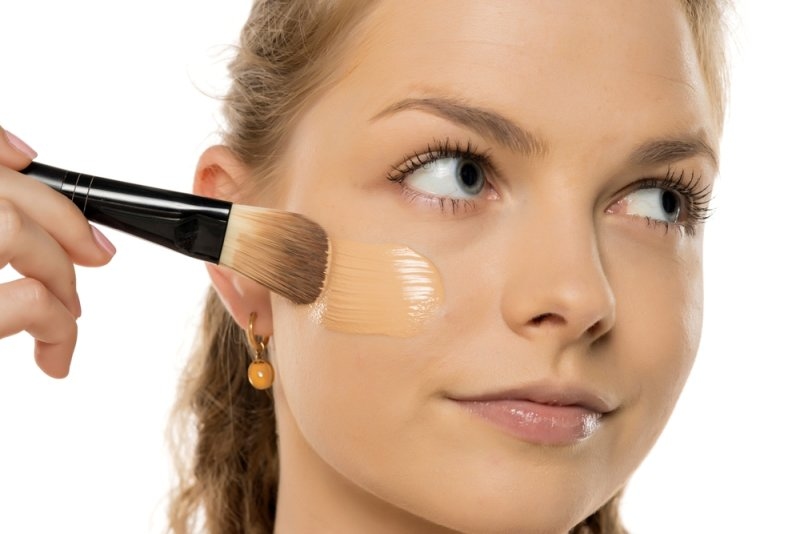
We've all been there—full skincare routine done, foundation blended, and by noon it's gone patchy or slid right off. Nine times out of ten, the missing piece is primer. Once you get how to apply makeup primer down, the difference in how long your makeup actually holds up is honestly pretty dramatic. This guide covers the timing, the technique, and the small habits that make primer before foundation genuinely worth the extra minute.
Think of primer as the step between skincare and makeup. It's a lightweight product that smooths out texture, softens the look of pores, and gives your skin an even surface so everything you put on after actually sits where you want it.
Primer does more than just smooth things out. Some formulas control oil, others add moisture, and some mattify shine. But the real job it's doing is holding your makeup in place against heat, sweat, and your skin's own oils.
It's a fair question—does primer actually change anything? Skin with primer and skin without it can both carry foundation just fine at first. Where they split apart is a few hours later.
| Feature | With Primer | Without Primer |
| Texture | Pores and lines look noticeably softer. | Texture tends to peek through foundation |
| Wear Time | Makeup usually holds for several extra hours. | Fading and separating happen sooner. |
| Oil Control | Many formulas keep shining in check all day. | Oil breaks foundation down faster. |
| Application | The foundation glides on smoothly. | The foundation can drag or catch on dry patches. |
Once you break it down, how to apply makeup primer step by step isn't complicated at all. Each stage sets up the next, so your skin stays smooth right through to the last swipe of foundation.
Cleanse first, then let your moisturizer (and SPF, if it's daytime) fully sink in. Skip this part, and primer just sits awkwardly on top, leading to patchy, uneven-looking makeup later.
Dot a little primer on your forehead, cheeks, nose, and chin, then blend outward with clean fingers or a damp sponge. Pay extra attention to spots that get oily or show pores.
Don't rush straight to foundation—give primer a minute or two to settle first. That short pause is what stops your foundation from pilling or dragging across your skin.
Beyond the basic steps, there's some nuance around when you should apply makeup primer and how much actually belongs on your face. Small details here make a bigger difference than you'd expect.
The primer goes on after your skincare has absorbed—never over-damp moisturizer. Too early, and you'll deal with pilling. Too late, and you've basically skipped the point of using it.
Honestly, a pea-sized amount does the job. More primer doesn't buy you extra wear time—if anything, it can make foundation slip around instead of settling into place.
Fingers warm the primer up for a more natural, melted-in look, while a sponge presses it in for something closer to airbrushed. Neither is "correct"—it"'s just preference.
Once you're using makeup primer correctly, the payoff becomes pretty obvious. These primer application tips explain why most makeup artists treat this step as non-negotiable before any big day.
Primer forms a light barrier between your skin and your makeup, which slows down how fast your natural oils break foundation apart. That barrier is doing a lot of quiet, unglamorous work.
Skin that's been prepped properly just needs less fussing—less blotting, less reapplying, and less checking your face in every reflective surface you pass by in the afternoon.
With pores and fine lines already softened, foundation has far less texture to fight against. You end up with a finish that looks more natural and photographs better too.
If this is new territory, how to apply face primer for beginners really isn't as tricky as it sounds. Getting the formula right and not overdoing it solves most early hiccups fast.
Oily skin usually gets along better with mattifying, silicone-based primers that keep shine and pores in check. If that sounds like you, this guide to foundation for oily skin pairs nicely with the right primer pick.
Using too much product, ignoring the hairline, or rushing into foundation are the usual culprits. Slowing down and blending properly fixes almost all of it.
The more you do it, the less it feels like an extra step. Pair it with a few other long-lasting makeup tips, and your whole routine holds up noticeably better.
At the end of the day, once you actually know how to apply makeup primer, your whole routine just gets a lot more reliable. Maybe you're doing primer before foundation for the first time ever, or maybe you're just tweaking a technique you've already got down—either way, it's the little things that make the biggest difference. How much you use, when you put it on, and which tool you grab. Stick with it for a bit, and these primer application tips stop feeling like some extra chore. They just quietly become part of getting ready, the same as everything else.
You could, but it's not really worth it. Skin that's still dry tends to make primer sit weird and uneven on top. Moisturized skin just takes primer better, and that means a smoother base underneath your foundation later on.
Yep, works fine. What the primer is doing is smoothing out texture first, so the powder has an even surface to grip instead of sinking into fine lines. The end result is a finish that looks softer and more blended.
It helps more than people expect. Mattifying primers keep shine and pores in check, and if you skip that step on oily skin, foundation tends to break down faster—which usually means more touch-ups by mid-afternoon.
Sure can. A lot of people wear just primer on no-makeup days because it gives skin a nice, soft glow on its own. Plenty of formulas are made to work as a standalone base, no foundation needed.
Not something you really need to redo, unlike powder. If your skin starts getting shiny again around midday, just blot it first, then pat on a bit of translucent powder—reapplying primer on top of makeup isn't the move.
This content was created by AI