

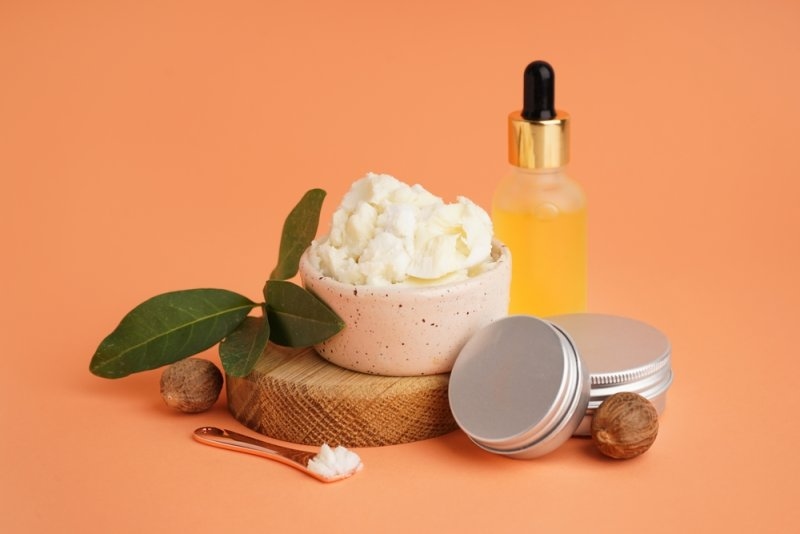
Shea butter’s been around forever, even while newer beauty products come and go. That’s not an accident. It goes deeper than just sitting on your skin—it softens rough patches, makes dry hair manageable, and adds natural shine, all without complicating your routine. Who needs ten different products when one does the work?
The secret isn’t just owning a jar of shea butter. It’s knowing when to use it, how much to apply, and where it fits into your daily habits. Every day, small changes beat heavy, occasional treatments. Here, you’ll learn how to use shea butter for your hair, why it helps your skin, simple ways to apply it, and tips for healthy hair and glowing skin—without the fuss.
Using shea butter for hair isn't a trend that appeared overnight. It has been part of everyday beauty routines for decades because it simply works. Dry strands, rough ends, seasonal frizz, dull texture—these problems often come from moisture loss rather than damage alone.
Shea butter locks in moisture when you use it the right way, keeping your hair from drying out. That makes hair softer without needing complicated treatments every week.
| Hair Concern | How Shea Butter Helps | Best Time to Apply |
|---|---|---|
| Dry ends | Locks in moisture | After washing |
| Frizzy hair | Smooths the cuticle | Before styling |
| Curly hair | Improves definition | Damp hair |
| Heat damage | Adds protective moisture | Before blow-drying |
| Dull hair | Restores softness and shine | Overnight treatment |
Regular use of shea butter for hair also reduces the need for multiple styling products. Less layering often gives better results.
Many people assume more product means better moisture. Usually, the opposite happens. When learning how to use shea butter, begin with a pea-sized amount. Warm it between your palms until it melts naturally. Then smooth it through the middle lengths and ends instead of rubbing it directly onto the scalp unless your scalp feels extremely dry.
For fine hair, apply it only after the hair has almost dried. Thicker textures usually absorb it much faster. This simple habit makes how to use shea butter much easier without leaving heavy residue.
Healthy hair isn't always about protein treatments or expensive serums. Good natural hair care starts by protecting existing moisture. Shea butter creates a light barrier that slows moisture loss throughout the day. Hair stays softer because hydration lasts longer.
If you have curly, coily, or textured hair, you’ll probably notice the benefits even more. Straight hair benefits too, especially during colder months when dryness increases.
Adding shea butter for hair two or three times each week is usually enough for most routines. Daily use works well only in small amounts.
Results rarely come from one overnight treatment. Small daily habits matter more. Using shea butter for hair after washing, avoiding excessive heat, drinking enough water, plus trimming damaged hair ends all work together.
A few habits make a real difference:
Each habit seems small. Together, they create noticeable improvement.
People often buy shea butter for hair first. Then they realize their skin benefits just as much. Using shea butter for skin immediately after a shower helps trap moisture before water evaporates. This makes elbows, knees, hands, plus heels feel softer throughout the day.
Unlike many lightweight lotions, shea butter forms a protective layer that lasts longer. That makes shea butter for skin especially useful during winter or in dry indoor environments.
One common mistake is applying moisturizers to completely dry skin. Better results come from applying products while the skin is still slightly damp.
That's where moisturizing skin care becomes more effective. Shea butter melts with body heat, spreads evenly, plus helps reduce moisture loss before skin dries out.
Only a small amount is needed. More product rarely means better hydration.
Choosing unrefined shea butter often gives better results than heavily processed versions. Many raw shea butter benefits come from naturally occurring fatty acids plus vitamins that remain present after minimal processing.
The nutrients in shea butter soften skin, too, and smooth out rough spots if you use it regularly. Another advantage is versatility.
The same jar often works for hands, elbows, feet, lips, cuticles, plus shea butter for hair, reducing the need for multiple products. Realistically, raw shea butter benefits become noticeable with consistent use rather than overnight changes.
Also Read: Hair Fall Control Expert Tips and Natural Solutions
Don’t expect miracles overnight. Hair and skin take time to show real changes. Stick with shea butter, and you’ll see less dryness, fewer flyaways, and softer hair if you give it a chance.
A lot of people dismiss old-school products because they don’t seem fancy. Shea butter is proof that simple solutions last. What really matters isn’t the price tag, it’s your daily routine—whether you’re going natural with your hair or keeping your skin hydrated.
Absolutely. It’s gentle and helps restore moisture that coloring can strip away. Just focus on the lengths and ends, with a light touch—no need to weigh your hair down.
Eventually, yes. The good news is, it lasts a long time if you keep it in a cool, dry spot and out of direct sunlight. Want to keep shea butter fresh? Store it well—fresh shea keeps its texture, scent, and benefits much longer.
Most people say yes. Raw shea butter holds onto more natural nutrients, while refined versions are milder in scent but sometimes lose some of the good stuff during processing.
If you’ve got dry skin, it usually can. If your skin’s oily, try it just on the driest patches. Shea butter is rich enough for tough cases but gentle enough for daily use.
Sure, as long as you stick to pure shea butter. Test a tiny bit on a small area first. Always avoid extra fragrances and weird fillers, especially if your child’s skin is sensitive.
This content was created by AI